
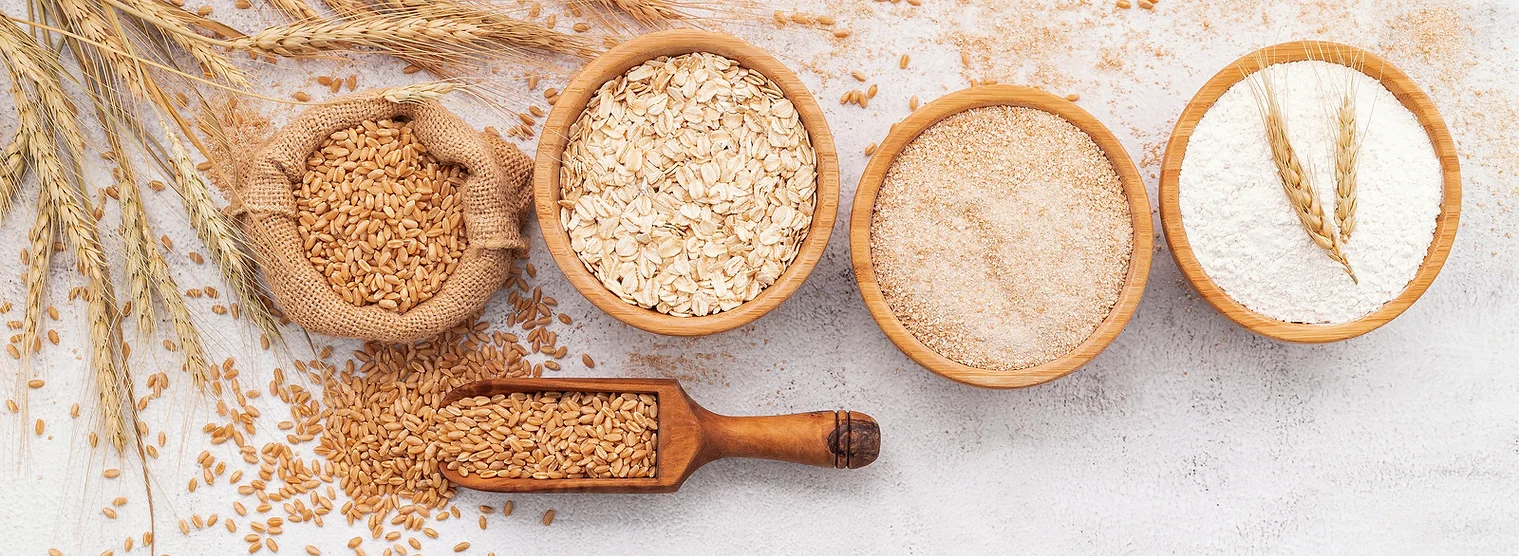
All About Wheat Flour
WHEAT FLOUR
Wheat flour is a powder made by grinding whole wheat grains or extracting the starch from them. It is one of the most commonly used flours in baking and cooking. Wheat flour is available in different varieties, each with its own specifications. Here are some common specifications of wheat flour:
Protein Content: Wheat flour's protein content is a crucial specification and can range from 7-15%. The higher the protein content, the stronger the gluten development will be, resulting in a denser and chewier texture.
Ash Content: Ash content refers to the mineral content present in the flour. It is measured as a percentage of the flour's weight. Higher ash content usually indicates that the flour was milled from harder wheat varieties and may affect the taste, color, and texture of the final product.
Gluten Content: Gluten is a protein present in wheat flour that gives it its elasticity and strength. The gluten content in wheat flour can range from 7-15% and affects the dough's elasticity and ability to rise.
Moisture Content: Wheat flour's moisture content is another important specification that affects its shelf life and baking properties. Flour with a higher moisture content may spoil more quickly and produce a stickier dough.
Granulation: Wheat flour comes in different granulations, ranging from fine to coarse. The granulation affects the flour's texture and how it interacts with other ingredients in recipes.
These specifications are essential for choosing the right type of flour for specific recipes and baking needs.
Different types of flour contain different amounts of protein. It varies considerably amongst brands and the geographic location where the wheat is grown. Soft wheat flour, sold primarily in the South and cake flour are much better for biscuits and pie crusts. Hard wheat flours, sold primarily in the North and Midwest, are better for breads
WHEAT FLOUR TYPE
Wheat flour types 550-650 and 850 are commonly used in Europe and are often referred to as "bread flour." Here are some specifications and characteristics of these two types of wheat flour:
1. Protein Content: Type 550-650 wheat flour typically has a protein content of 11-12%, while type 850 has a protein content of 12-14%. The higher protein content of type 850 flour makes it suitable for bread with a dense and chewy texture.
2. Ash Content: Type 550-650 flour has an ash content of around 0.55-0.65%, while type 850 has an ash content of around 0.80-0.95%. The higher ash content of type 850 flour gives it a darker color and a slightly nutty taste.
3. Gluten Content: Both types of flour have a high gluten content, which makes them suitable for making bread and other baked goods that require a strong and elastic dough.
4. Bread-Making Characteristics: Type 550-650 flour is often used for making lighter bread, such as white bread, while type 850 flour is better suited for making heavier bread, such as rye bread. Type 850 flour is also often used in combination with other flours to improve their baking properties.
5. Other Uses: In addition to bread-making, type 550-650 flour can also be used for making cakes, pastries, and other baked goods that require a softer texture. Type 850 flour is often used in making pasta, pizza dough, and other savory baked goods.
It is essential to choose the right type of flour for specific recipes to achieve the desired results. The protein and gluten content, ash content, and bread-making characteristics are all important factors to consider when selecting the appropriate type of wheat flour.
PACKING OPTIONS
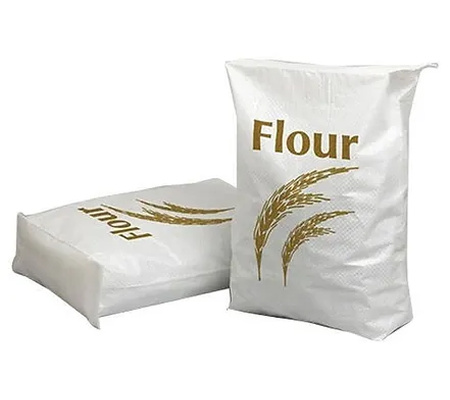
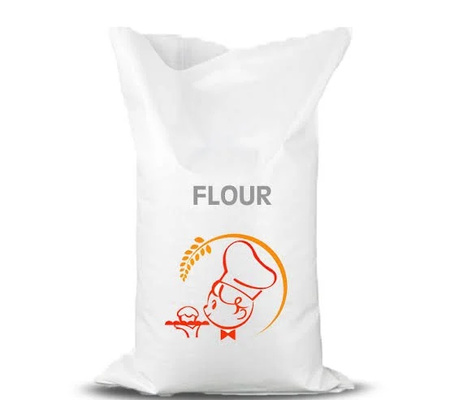
Wheat flour is available in various packaging options to suit different consumer needs and preferences. Here are some common wheat flour packaging options:
-
Paper Bags: Paper bags are the most common packaging option for wheat flour. They are affordable, eco-friendly, and easily recyclable. Paper bags are available in various sizes, from small 1-2-pound bags to larger 50-pound bags, making them suitable for home baking and commercial use.
-
Plastic Bags: Plastic bags are another common packaging option for wheat flour. They are lightweight, durable, and moisture-resistant, which helps to keep the flour fresh for a longer time. Plastic bags are available in various sizes, from small resealable bags to larger bulk bags.
-
Bulk Containers: Some consumers prefer to buy wheat flour in bulk containers, such as plastic bins or metal drums. These containers can hold large quantities of flour and are suitable for commercial use.
-
Cartons: Wheat flour is also available in cartons, which are usually smaller in size and suitable for home baking. Cartons are often used for cake and pastry flour, which are softer and finer than bread flour.
-
Specialty Packaging: Specialty packaging options, such as vacuum-sealed bags or foil-lined bags, are also available for wheat flour. These packaging options are designed to keep the flour fresher for a longer time and protect it from moisture, light, and air.
When selecting a packaging option for wheat flour, it is essential to consider factors such as shelf life, storage space, and portability. It is also important to store the flour in a cool, dry place, away from direct sunlight and moisture, to ensure its freshness and quality.

Copyright 2003-2023 Filin Holding. All Rights Reserved.